
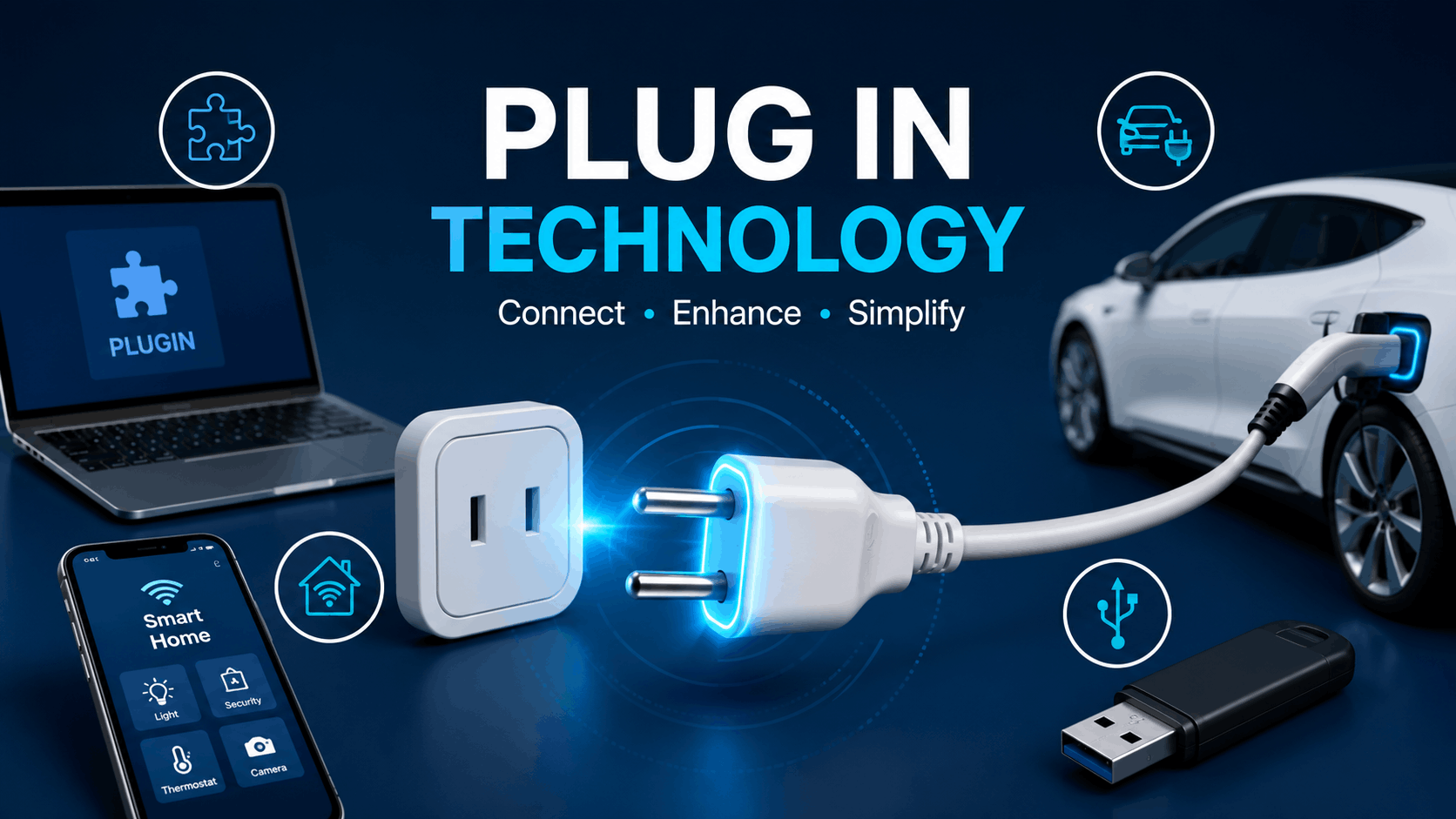

Technology continues to evolve at a rapid pace, making devices smarter, faster, and easier to use. One innovation that has become increasingly important across industries is plug in technology. Whether it’s electric vehicles, software extensions, smart home devices, or industrial equipment, plug in technology allows users to add new features, improve performance, and simplify everyday tasks without replacing entire systems.
From charging an electric car to installing a browser plugin or connecting smart devices, plug in technology plays a vital role in modern digital and electrical ecosystems. Its flexibility, convenience, and cost-effectiveness have made it a preferred solution for both consumers and businesses.
In this guide, we’ll explain what plug in technology is, how it works, its different types, key benefits, real-world applications, and why it continues to shape the future of technology.
What Is Plug In Technology?
Understanding Plug In Technology
Plug in technology refers to systems, devices, or software components that can be connected to an existing platform to add new functionality without requiring major modifications.
Instead of replacing an entire system, users simply “plug in” a compatible component to expand its capabilities.
This concept is widely used in both hardware and software environments.
How Plug In Technology Works
The basic process is simple:
- A compatible device or software component is connected.
- The host system detects the new addition.
- Necessary drivers or configurations are loaded automatically or manually.
- The new feature becomes available for use.
This modular approach makes upgrades faster, easier, and more affordable.
Types of Plug In Technology
Software Plugins
Software plugins extend the functionality of existing applications.
Examples include:
- Browser extensions
- WordPress plugins
- Photo editing plugins
- Video editing effects
- Security plugins
These additions allow users to customize software according to their needs.
Hardware Plug In Devices
Hardware plug in technology involves connecting physical devices to improve functionality.
Examples include:
- USB storage devices
- External hard drives
- Graphics cards
- Docking stations
- Network adapters
Most modern operating systems automatically recognize compatible hardware.
Plug-In Electric Vehicle (PHEV) Technology
One of the fastest-growing applications is in the automotive industry.
Plug-in hybrid and fully electric vehicles use rechargeable battery systems that can be connected to external power sources.
Benefits include:
- Lower fuel consumption
- Reduced emissions
- Lower operating costs
- Improved energy efficiency
Benefits of Plug In Technology
Easy Installation
One of the biggest advantages of plug in technology is its simplicity. Most plug in devices and software can be installed within minutes without requiring advanced technical knowledge.
Many modern systems automatically detect compatible plugins, making setup quick and hassle-free.
Cost-Effective Upgrades
Instead of replacing an entire device or software package, users can simply add the features they need.
This approach helps reduce upgrade costs while extending the life of existing systems.
Greater Flexibility
Plug in technology allows users to customize their devices or applications according to their specific requirements.
For example, businesses can install additional software plugins to improve productivity, while homeowners can expand their smart home systems by adding new compatible devices.
Improved Productivity
Additional tools and features often help users complete tasks more efficiently.
Examples include:
- Automating repetitive tasks
- Improving workflow
- Enhancing security
- Increasing storage capacity
- Adding specialized functionality
Better Scalability
As personal or business needs grow, plug in technology makes it easy to expand existing systems without starting from scratch.
Organizations can continue adding new features as technology evolves.
Common Applications of Plug In Technology
Smart Home Devices
Smart home ecosystems rely heavily on plug in technology.
Common examples include:
- Smart plugs
- Smart lighting
- Security cameras
- Voice assistants
- Smart thermostats
These devices can be added to existing smart home networks with minimal setup.
Website Development
Website owners frequently use plugins to improve functionality.
Popular uses include:
- Search engine optimization (SEO)
- Website security
- Contact forms
- Image optimization
- Performance improvements
- E-commerce features
This allows websites to grow without extensive custom coding.
Business Software
Many businesses extend the capabilities of their software using plugins.
Examples include:
- Customer Relationship Management (CRM) integrations
- Accounting extensions
- Project management tools
- Communication software
- Data analytics plugins
These additions help streamline business operations.
Consumer Electronics
Plug in technology is common in everyday electronics, including:
- External storage drives
- USB accessories
- Gaming controllers
- Audio interfaces
- Computer peripherals
Users can easily expand the capabilities of their devices whenever needed.
Electric Vehicles
Plug-in hybrid and electric vehicles depend on plug in charging systems.
Charging stations allow drivers to recharge vehicle batteries safely and efficiently at home, work, or public charging locations.
How Plug In Technology Works
Step 1: Check Compatibility
Before installing any plugin or device, verify that it is compatible with your operating system, software, or hardware.
Compatibility ensures stable performance and reduces installation issues.
Step 2: Install or Connect
Depending on the type of plugin, you may:
- Connect a physical device
- Download software
- Install an application extension
- Pair a wireless accessory
Most installations require only a few simple steps.
Step 3: Configure Settings
After installation, adjust the settings to match your preferences.
Configuration options may include permissions, security settings, performance adjustments, or personalization features.
Step 4: Start Using New Features
Once everything is configured, the new functionality becomes available immediately.
Users can begin taking advantage of the added features without changing the entire system.
Challenges of PlugIn Technology
Compatibility Issues
Not every plugin works with every system.
Older hardware or outdated software may not support the latest plugins, making compatibility checks essential.
Security Risks
Installing plugins from unknown or untrusted sources can introduce malware or security vulnerabilities.
Always download plugins from official developers or reputable marketplaces.
Performance Impact
Installing too many plugins may reduce system performance.
Some plugins consume additional memory, storage, or processing power, especially if they run continuously in the background.
Regular Updates
To maintain security and compatibility, plugins should be updated regularly.
Ignoring updates may result in software conflicts or expose systems to security threats.
FAQs
What is plugin technology?
Plug in technology refers to hardware or software components that can be added to an existing system to extend its functionality without replacing the entire platform. It provides a simple and flexible way to upgrade devices, applications, or services.
Where is plugin technology commonly used?
Plug in technology is widely used across various industries, including:
- Website development
- Smart home systems
- Electric vehicles
- Business software
- Consumer electronics
- Cloud computing
- Industrial automation
Is plugin technology safe?
Yes, provided you install plugins or devices from trusted manufacturers or official sources. Keeping plugins updated and following security best practices helps protect your system from vulnerabilities.
Do plugins affect system performance?
Some plugins may consume additional system resources, especially if many are installed simultaneously. Removing unnecessary plugins and updating existing ones can help maintain optimal performance.
Can I remove a plugin after installing it?
Yes. Most hardware devices can simply be disconnected, while software plugins can usually be disabled or uninstalled through the application’s settings.
Why is plug in technology becoming more popular?
Its popularity continues to grow because it offers flexibility, reduces upgrade costs, supports customization, and allows users to expand their systems without replacing existing hardware or software.
The Future of Plug In Technology
Smarter Integrations
Artificial intelligence and machine learning are expected to make plug in technology more intelligent by automatically configuring devices and recommending useful features based on user behavior.
Greater Cloud Connectivity
Cloud-based plugins are becoming increasingly common, allowing users to access data and services from anywhere while keeping information synchronized across multiple devices.
Expansion of Smart Devices
As smart homes, wearable technology, and Internet of Things (IoT) devices continue to grow, plug in technology will play an even greater role in connecting and managing these ecosystems.
Faster and More Secure Solutions
Future developments are expected to focus on:
- Enhanced cybersecurity
- Faster installation processes
- Automatic updates
- Better compatibility between platforms
- Improved energy efficiency
These improvements will make plug in technology even more reliable for both personal and professional use.
Final Thoughts
Plug in technology has transformed the way people upgrade and customize their devices, software, and digital services. Instead of replacing entire systems, users can simply add compatible plugins or hardware components to unlock new features, improve performance, and increase productivity.
From website plugins and business applications to smart home devices and electric vehicles, plug in technology continues to make innovation more accessible and affordable. As advancements in artificial intelligence, cloud computing, and connected devices continue, plug in technology is expected to become an even more important part of everyday life.
Whether you’re a business owner, technology enthusiast, or everyday user, understanding plug in technology can help you make smarter decisions when upgrading your digital tools and devices.